Travel audiences are increasingly planning trips around experiences rather than overt promotional narratives. Industry experts are observing that these experiences are most often rooted in food, culture, and place. As a result, food tourism has emerged as one of the most effective ways for destination marketers to communicate authenticity, particularly when culinary experiences are integrated into outdoor adventure, and community-led storytelling.
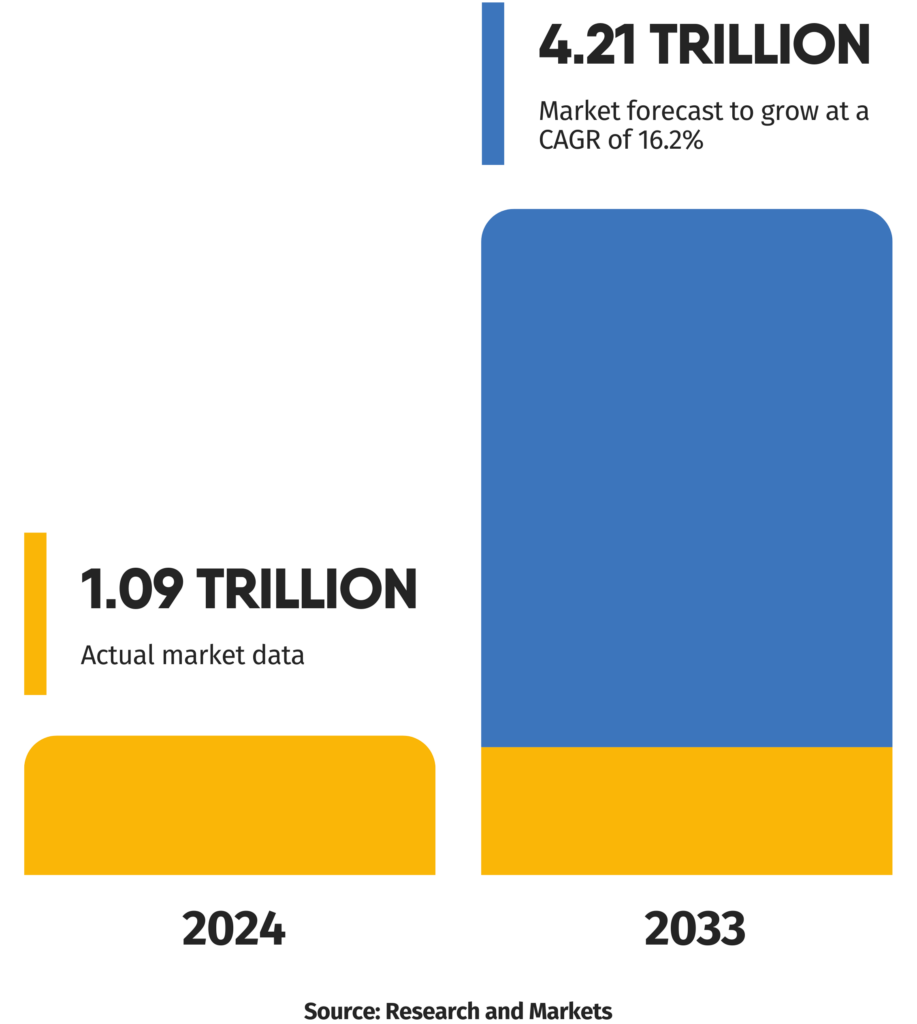
Market data reflects this shift as noted in the Culinary Tourism Market Report 2025-2033. The global culinary tourism market reached USD $1.09 trillion in 2024 and is projected to grow to USD $4.21 trillion by 2033, with a Compound Annual Growth Rate of 14.46%. Growth is being driven by audience demand for meaningful travel, digital content, influencer marketing, and increased interest in grounded experiences.
This evolution is also visible at the industry level. This year, the Philippines will host the UN Tourism World Forum on Gastronomy Tourism, while Canada prepares to host the Taste of Place Summit. These types of initiatives signal that food tourism is a strategic driver on how travelers perceive a destination.
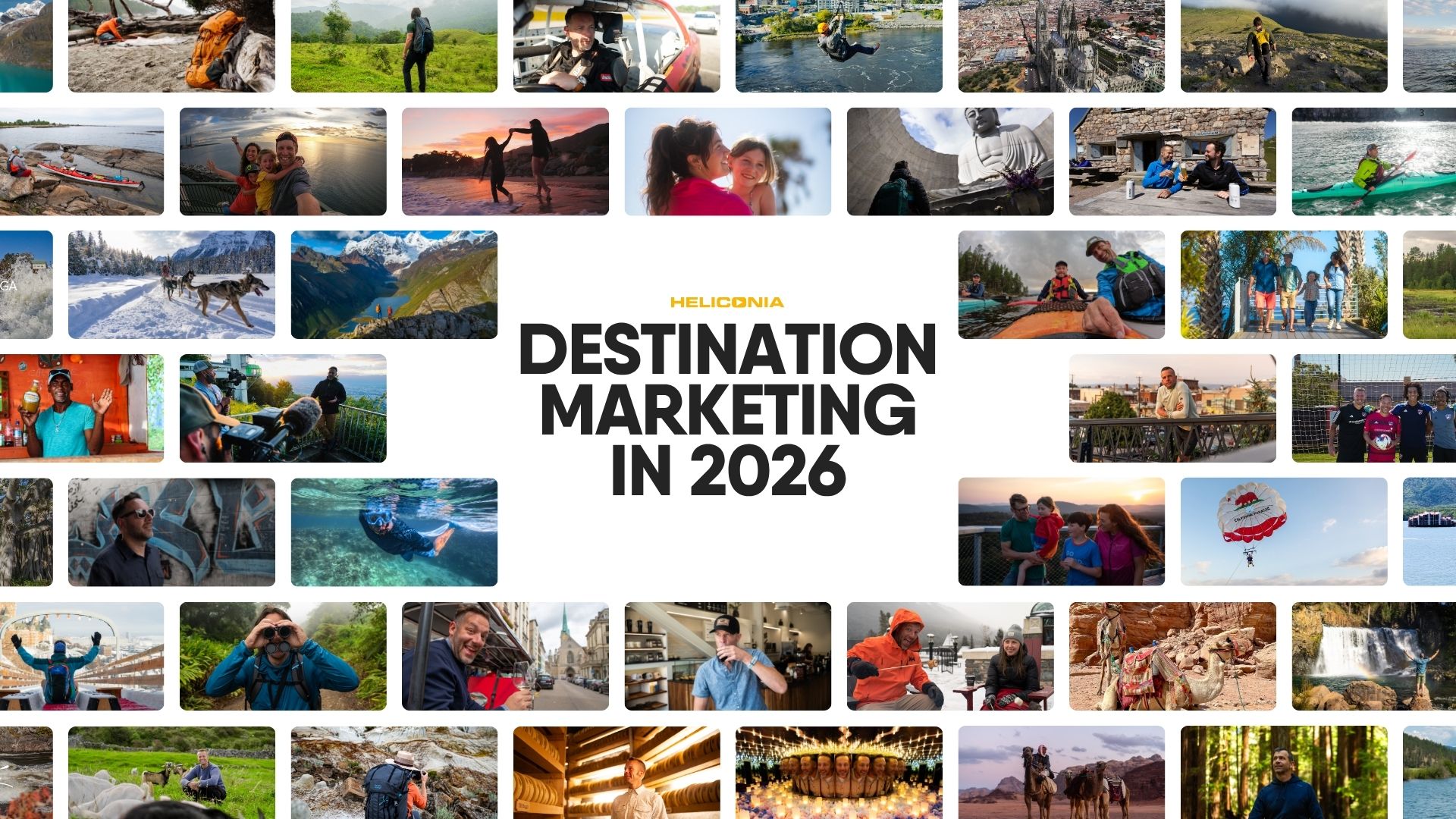
At the same time, destination marketing has had clear shifts over the past year. As outlined in Destination Marketing in 2026: Niche Stories & Creators, audiences increasingly respond to experience-led, creator-driven content that feels specific to place.
When paired with current digital consumption trends, food tourism offers DMOs and tourism boards a clear opportunity: blend broad interests to niche travel experiences through authentic content.
Food tourism is most effective when it is not treated as a standalone vertical. Instead, it functions as a flexible storytelling layer, one that strengthens existing niche content rather than competing with it.
Unlike attractions that rely on infrastructure or scale, food is shaped by geography, climate, history, and community. It is both universal and distinctly local. This makes it an ideal entry point for target audiences, and a powerful way for destinations to add depth to adventure travel narratives.
Food provides an immediate cultural signal. It reflects how people live, what they value, and how a destination functions day to day. From markets to coastal fishing and home kitchens, food stories resonate with audiences because they feel human and accessible.
From a performance standpoint, food content consistently engages viewers across platforms. It translates seamlessly from short-form social reels to long-form television and YouTube episodes, and it relates to demographics across different age groups and travel interests. Even when a destination’s primary focus is about promoting a specific activity, food helps broaden reach while reinforcing place-based authenticity. Food does not replace a niche activity, it enhances it.


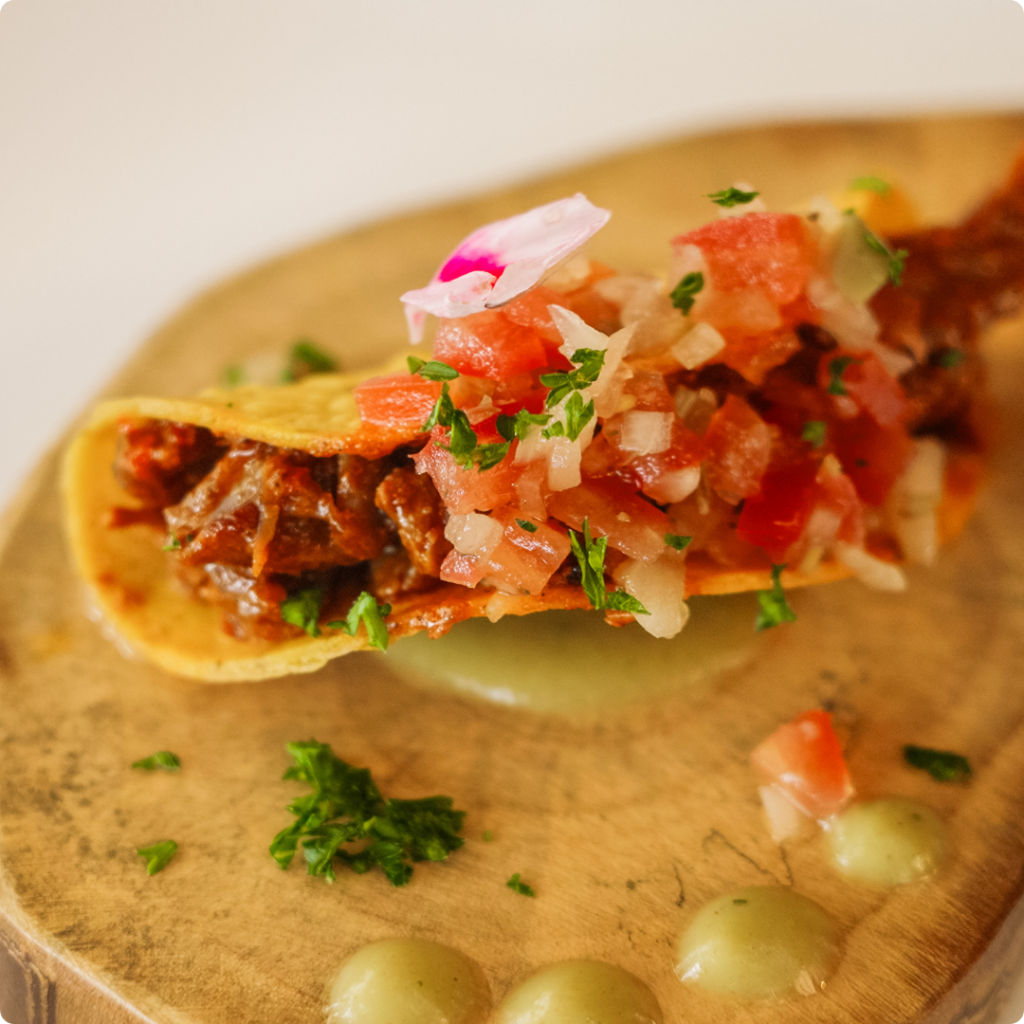
Food can function as either the central narrative or a complementary layer within destination storytelling, depending on the experience being highlighted. Chef-led and creator-driven food stories are effective when they focus on process, place, and personality rather than prestige or formality.
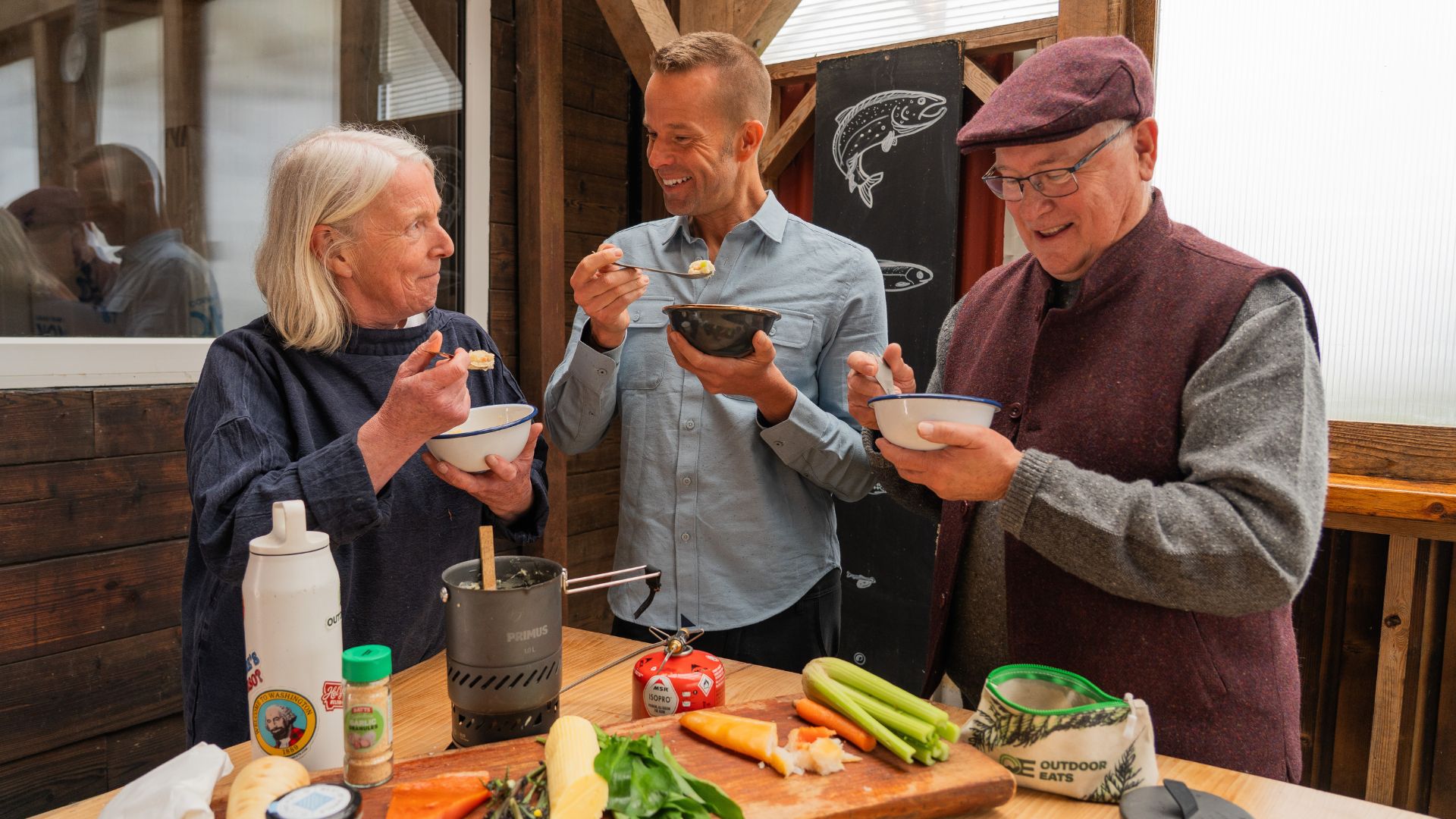
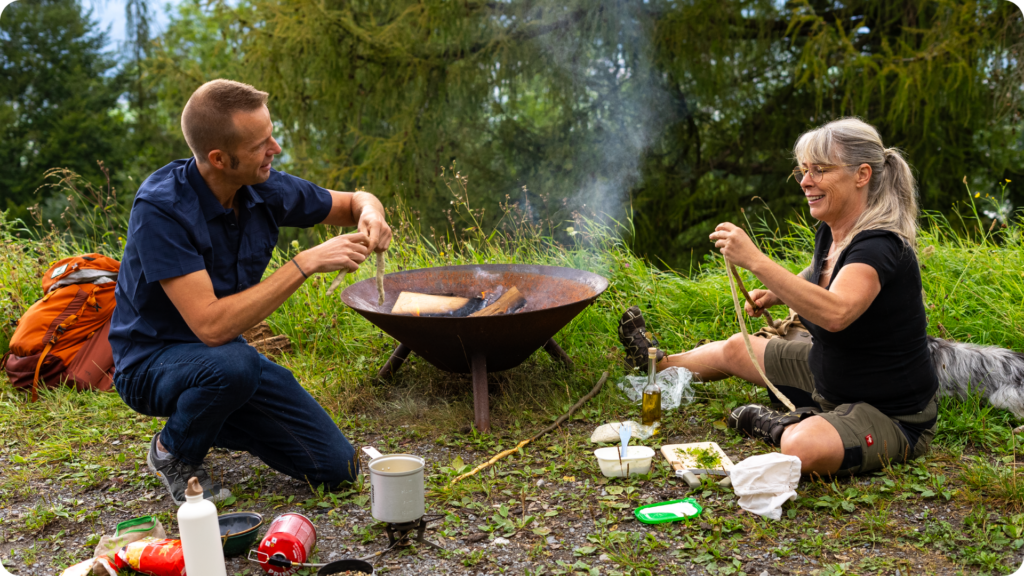
At a larger scale, food can frame an entire destination. In this episode of Outdoor Eats, Chef Corso explores Liechtenstein through its ingredients, traditions, and communities. From foraging local herbs and visiting small farms to learning regional dishes like riebel and panzanella, the story blends culinary discovery with immersive travel. Meals shared atop mountain huts or along hiking trails become moments of connection, framed by alpine landscapes, historic sites, and local festivals.
Outdoor Eats is a media project that showcases how culinary experiences can define an entire destination. Through immersive storytelling, host Chef Corso brings local ingredients, traditions, and communities to life. The series demonstrates how food can anchor large-scale destination narratives while connecting audiences to culture, place, and people.
Chef Corso has shared incredible insights into his approach to food tourism and destination storytelling. Read more in our interview with him here:
At a supporting scale, food naturally enhances other experiences. In this episode of Epic Trails in Scotland, a post-hike meal at the historic Drovers Inn is woven into the broader hiking journey, reinforcing a sense of place without overtly positioning the experience as food tourism.
At its simplest, food can act as a moment rather than a storyline. A POV style reel of Ken Whiting enjoying a meal on the beach in Georgian Bay demonstrates that food experiences do not need complexity or production to resonate.
The strength of food tourism lies in its adaptability. Destinations do not need to reposition themselves as culinary hubs to use food storytelling effectively. Instead, culinary activities can anchor a range of content themes that reveal what makes a destination distinct and unique.
Markets, street food, and guided tastings are often the most efficient ways to communicate a destination’s uniqueness. Highlighting regional ingredients or hyper-local flavors allow destination marketers to demonstrate what cannot be replicated elsewhere, without explicitly labeling the experience as food tourism.
This approach works particularly well for destinations seeking to:
✓ Introduce audiences to place-based culture quickly
✓ Support lesser-known neighborhoods or regions
✓ Build short-form content that leads into longer narratives
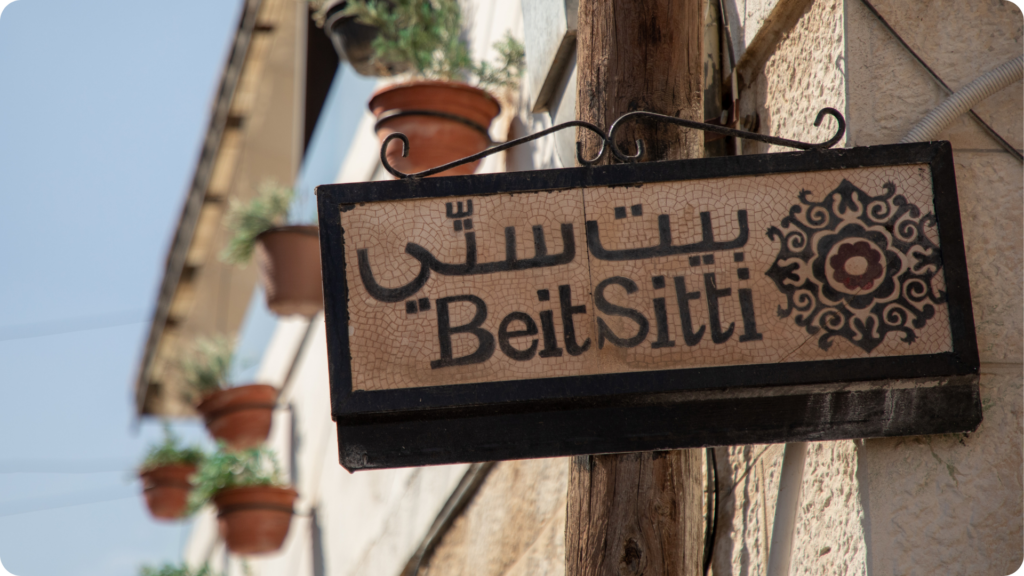
A clear example of this strategy being used can be seen in this Adventure Cities segment. Host Jonathan Thompson meets with Maria, owner of Beit Sitti. Founded in 2010 by Maria and her sisters, Dina and Tania, Beit Sitti is Jordan’s premier cook-and-dine experience. Following a market visit through to a shared cook-and-dine experience that brings Jordan’s culinary traditions to life.
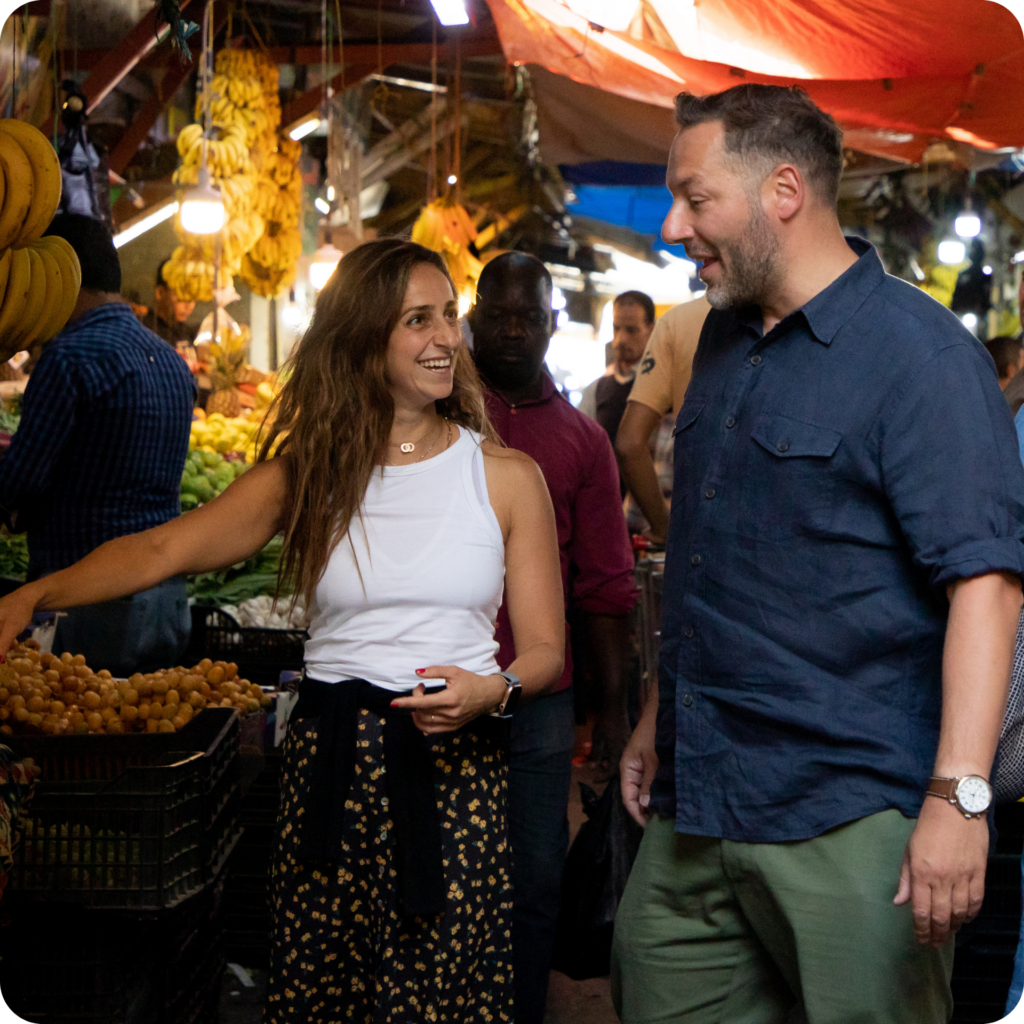
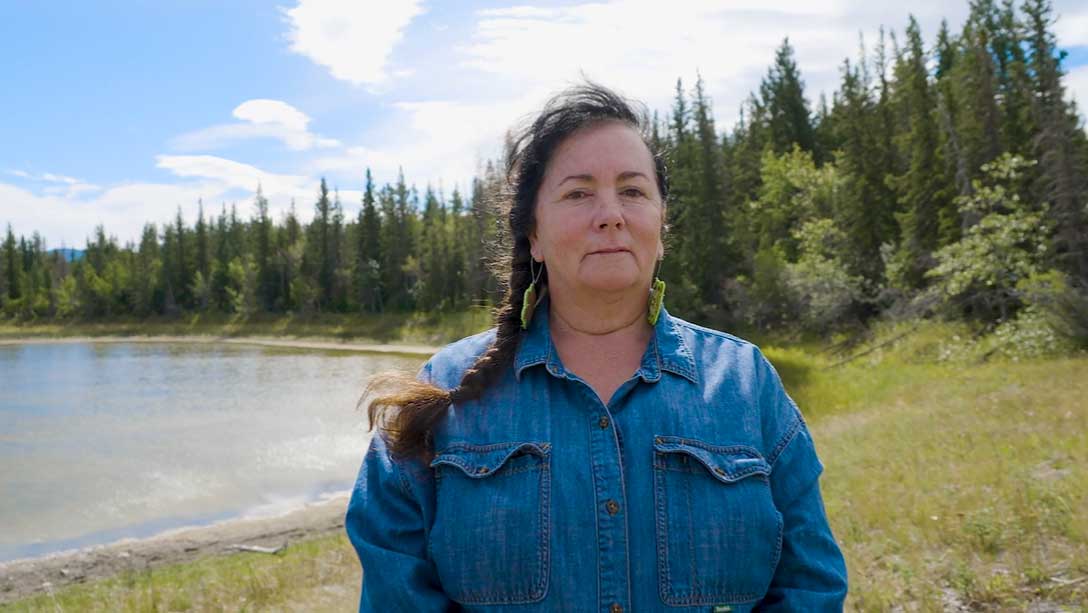
Community-driven food storytelling shifts attention from attractions to people. Indigenous recipes, heritage cuisines, and small businesses allow destinations to showcase cultural depth while supporting local voices.
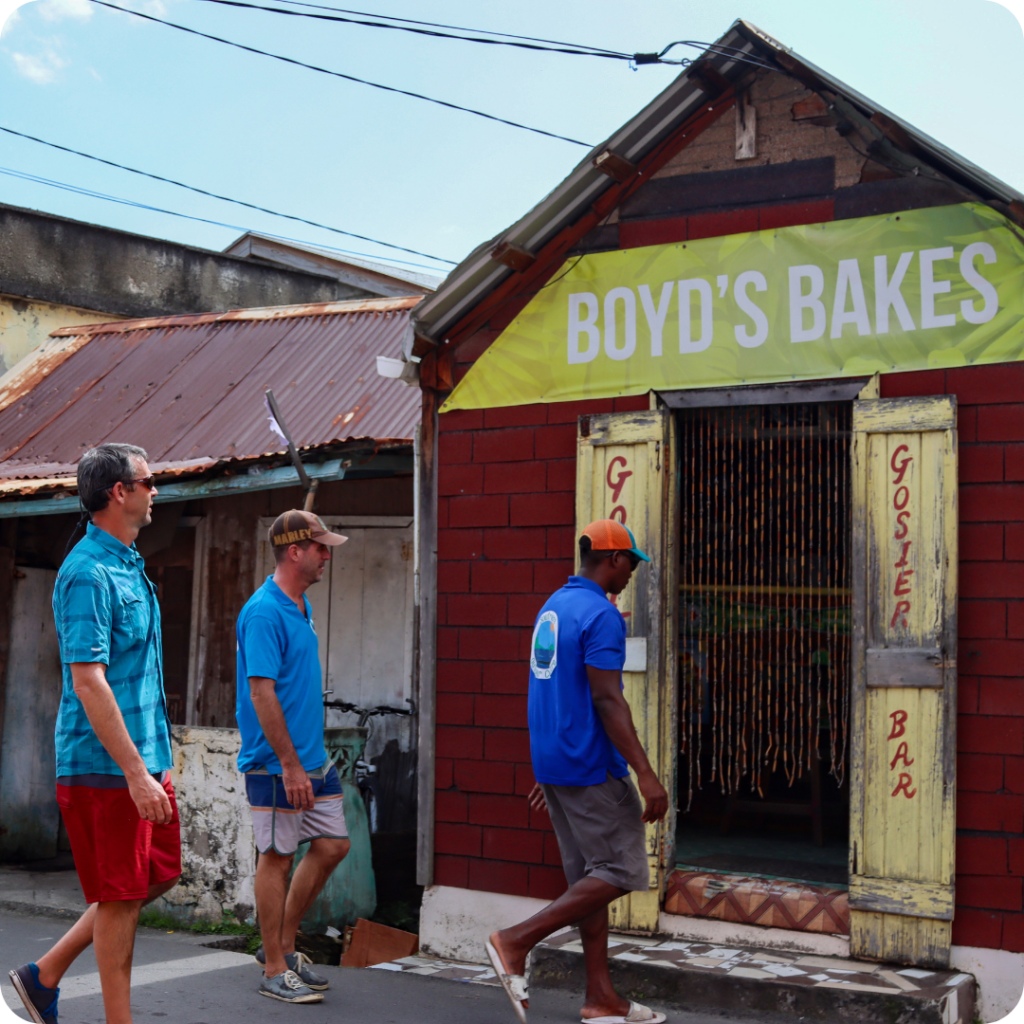
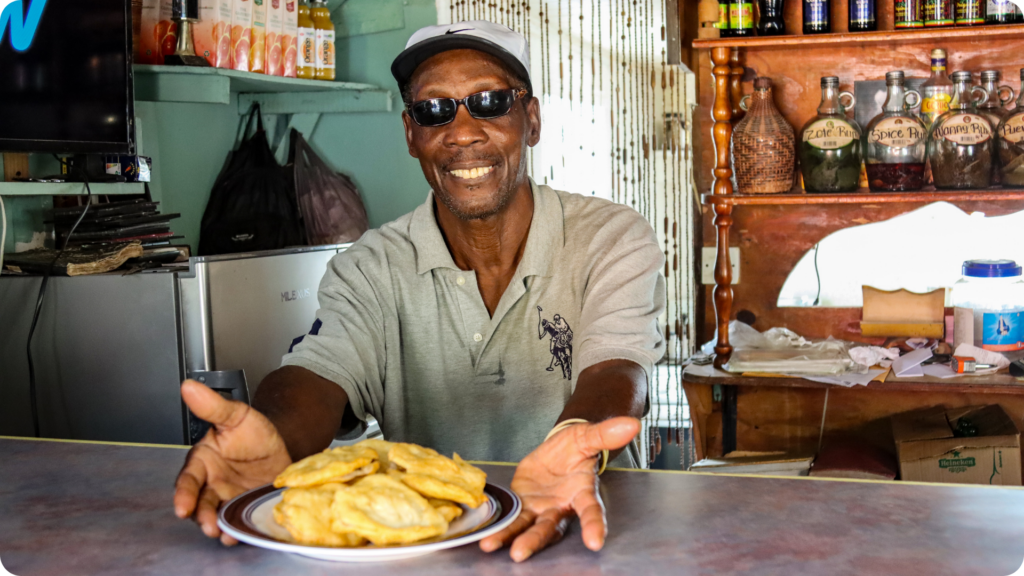
An example of this in practice can be found in an episode of Facing Waves featuring Dominica, and the moments spent waiting out a storm connect food to community and climate. A separate segment featuring Boyd’s Bakes spotlights a local business, reinforcing how food storytelling can elevate small operators while grounding the destination in real lives and lived experiences.
For destinations, this type of storytelling builds connection with the audience, and supports economic impact and promotion beyond flagship attractions.
Read more about how Ken Whiting, host of Facing Waves, unlocks deeper destination stories through his content:
Food experiences that connect audiences directly to local ecosystems, whether through fishing, farming, or shopping, offer a natural bridge between adventure, sustainability, and storytelling. They show where food comes from and how it reflects the character of a place.
Examples of this approach include:
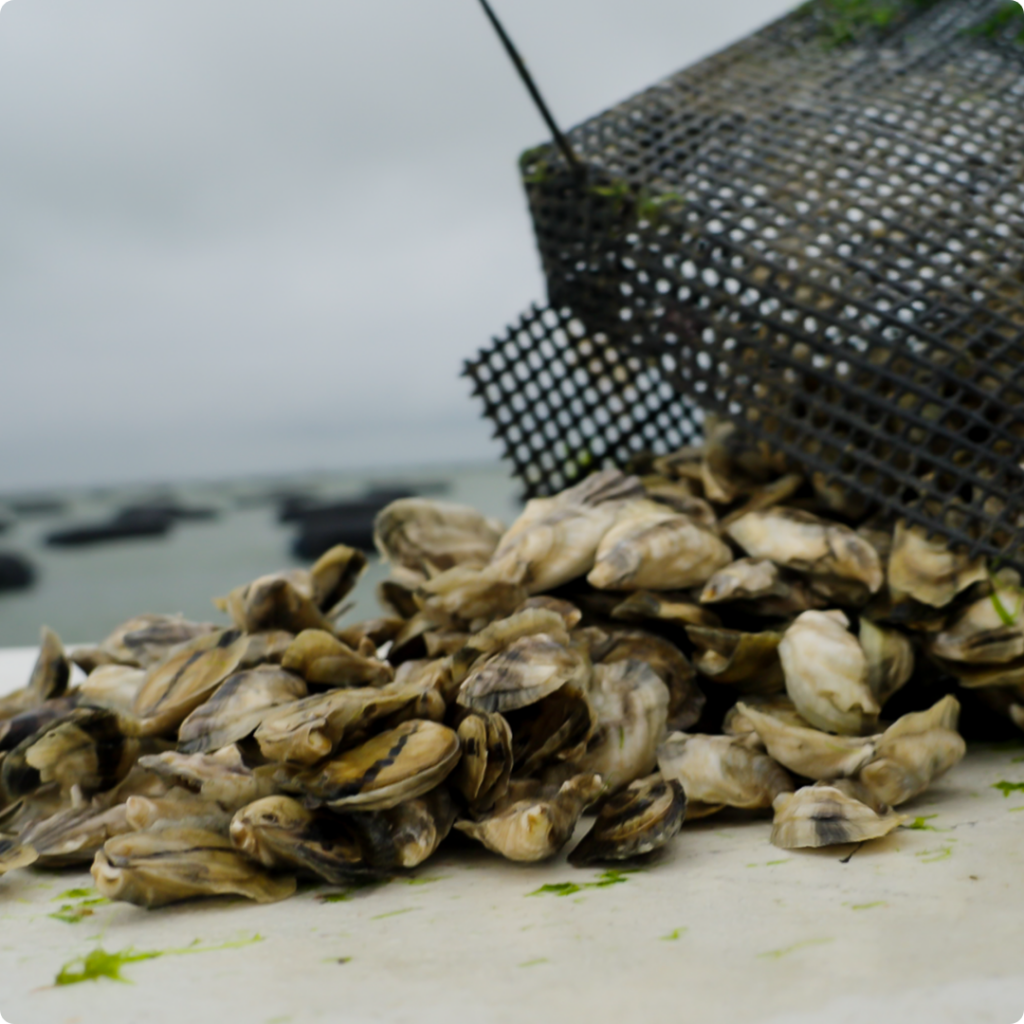
Outdoor Eats in Corpus Christi – Chef Corso visits a local oyster farm, learns directly from the producer, and then prepares the freshly harvested oysters outdoors, turning the ingredients into a hands-on, place-based culinary experience.
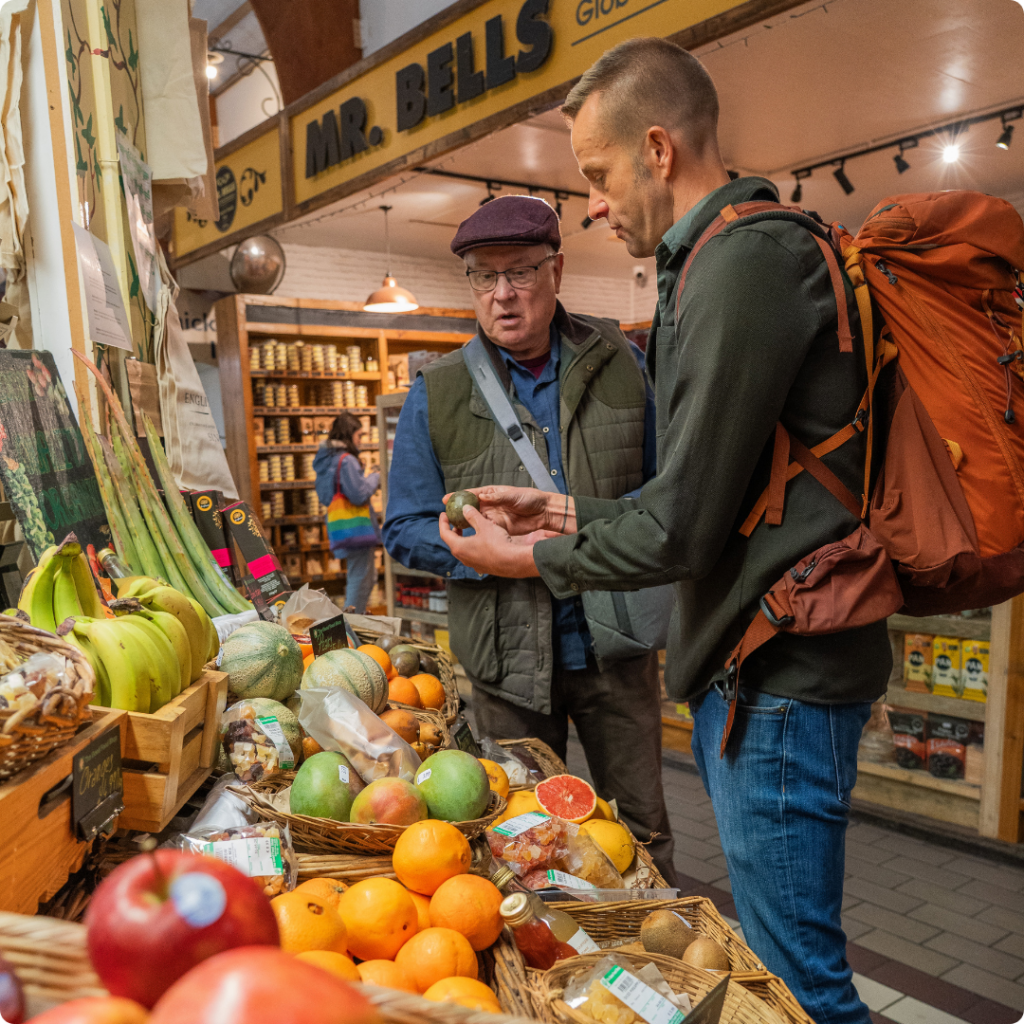
Outdoor Eats in Cork, Ireland – Chef Corso visits the historic English Market with his father to select ingredients for a charcuterie board. They explore artisan breads, meats, and local beverages, then cook and share a meal together, showing how food can connect people, culture, and place.
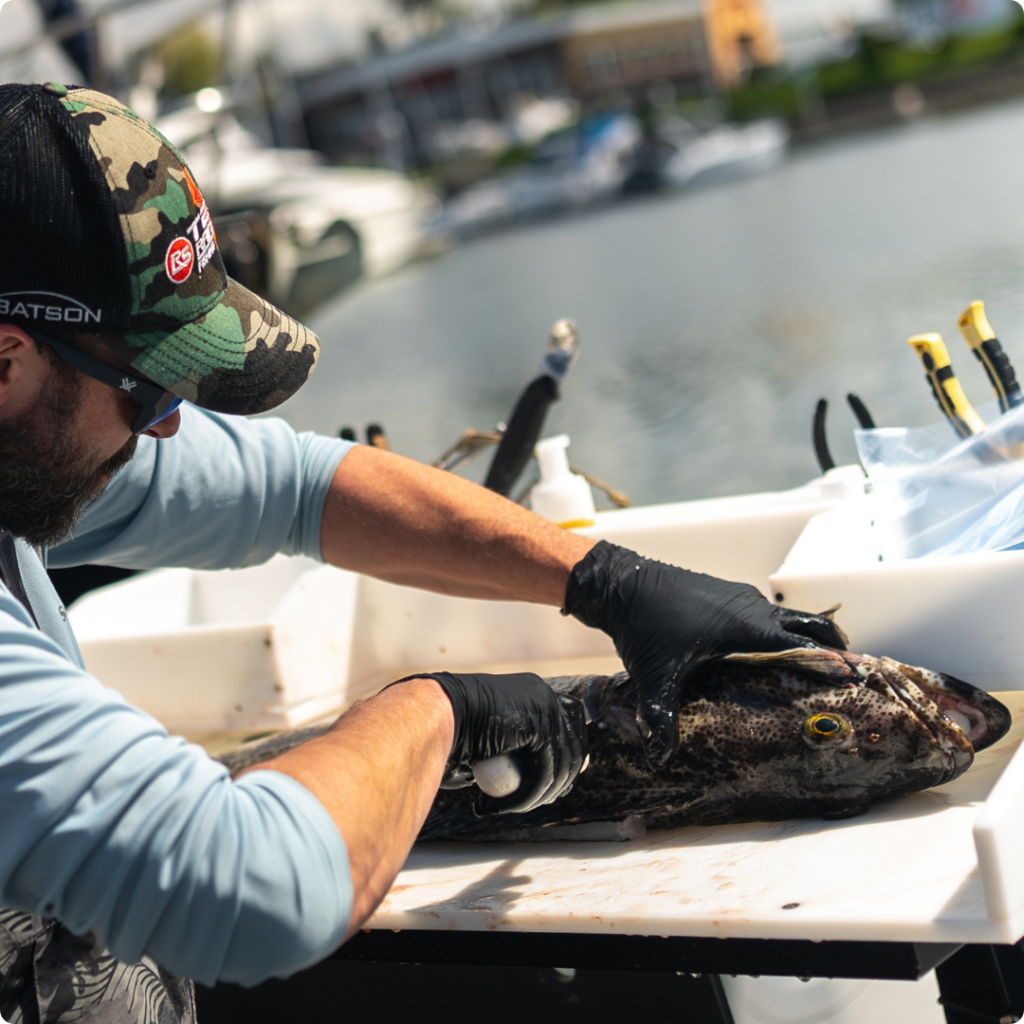
Road Trip Angler in Puget Sound – Jameson Redding joins local fishing guides to learn techniques for catching lingcod. Together, they harvest fish while exploring the ecosystem, highlighting the connection between local expertise, adventure, and sustainable sourcing.
Adventure travel provides the context that allows food stories to resonate more deeply. Physical effort, exploration, and time spent outdoors naturally create moments where food becomes meaningful.
As audience interest in hiking, paddling, fishing, and cycling continues to grow, travelers increasingly value content that feels earned rather than staged. Food plays a central role here because it cannot be separated from local conditions such as climate, geography, and culture.
In adventure-led storytelling, food often functions as:
✓ A reward after effort
✓ A point of connection between locals and tourists
✓ A lens into how communities live and interact with their surroundings
This structure supports longer, more immersive narratives while also creating natural moments for short-form digital content.
Rather than producing standalone food content, destinations should identify where food naturally intersects with the experiences they already want to promote, such as hiking routes, waterways, urban neighborhoods, or fishing communities, and allow food to deepen those stories.
Strategic principles for your destination marketing strategy:
Use food to strengthen your niche, not replace it. Food tourism is most effective when it reinforces a destination’s core experiences rather than competing with them.
Let the place lead the story. The most compelling food narratives emerge from geography, climate, and community. When food is shown as a natural expression of place it becomes a credible storytelling theme.
Anchor food stories in people, not venues. Highlighting chefs, guides, fishers, foragers, and local families allows food tourism content to communicate authenticity, heritage, and lived experience without relying on prestige or scale.
Design food content to travel across formats and platforms. Food experiences should be captured in ways that translate seamlessly from long-form storytelling to short-form digital moments, which extends the lifespan of your content.
Use performance metrics to refine positioning over time. Destinations that observe how audiences interact with different food-driven content can sharpen their niche, guided by real behavior rather than assumptions.
Across our projects at Heliconia, food is used differently, but consistently as a storytelling tool for our destination partners. Sometimes food leads the narrative, sometimes it supports it. In every case, it helps audiences understand a destination more deeply.
About the Author
McKenzie Dolan is a seasoned marketing professional with a deep-rooted passion for the outdoor and adventure travel industry. McKenzie brings several years of expertise in digital marketing strategies, project management, and creative marketing. McKenzie’s work focuses on elevating brand awareness and visibility through compelling outdoor adventure content.
McKenzie Dolan, Marketing & Account Manager
mckenzie@heliconia.ca
About Heliconia
Heliconia is an award-winning media company with a simple mission: to guide people to a lifetime of adventure. We produce creator-led travel and outdoor TV series that reach millions on social media and are broadcast to more than 100 million U.S. households on networks such as Discovery Channel, PBS, Outside TV and FanDuel Sports Network. From hiking, paddling and fishing adventures to urban travel and culinary storytelling, our content inspires audiences to get outside and explore the world. Curious to see more? Watch our promo reel at Heliconia.ca
Why Destinations Partner with Heliconia
With more destination marketing options available than ever, DMOs and tourism boards need a partner that delivers more than just visibility. At Heliconia, we help DMOs and tourism boards turn authentic adventure experiences into compelling, multi-platform narratives that engage travelers and inspire action.
If you’re looking to leverage food tourism to support your destination marketing goals, connect with Stefanie Manton, our Tourism Partnership Manager. Together, we can explore how Heliconia transforms authentic stories into measurable results for your destination.
If you’re interested in finding out more about Heliconia’s new Television ads platform, please schedule a call with our Ads Manager, Adam Best.
Why Experience-Led Food Tourism Content Matters Travel audiences are increasingly planning trips around experiences […]
"Food is a story. It’s history, culture, and tradition wrapped into something you can taste. Destinations that highlight the people behind the food, the landscapes that shape the cuisine, and the experiences that make it unique will stand out."
Heliconia is thrilled to celebrate the transformation of Bally Sports into FanDuel Sports Network, […]
Heliconia is excited to announce Ken Whiting’s picks for Best Paddling Gear of 2024. […]
Season 4 of Outdoor Eats premiered Sunday, August 30th, 2026, on FanDuel Sports Network, […]
FOR IMMEDIATE RELEASE Heliconia Expands Adventure Cities into a Collection of Travel Formats Designed […]
Heliconia proudly presents the return of world-renowned paddler Ken Whiting in Season 13 of […]
 view all